
800 years · 1226 – 2026
The Year of St Francis.
St Francis of Assisi died on the evening of 3 October 1226. For the eighth centenary of his death, a Jubilee Year runs to 10 January 2027, and Our Lady of Fatima, a church of the Capuchin Franciscans, is a designated church for its special graces.
- The Jubilee Year
- 10 January 2026 to 10 January 2027
- The Transitus
- Saturday 3 October, in the evening
- Feast of St Francis
- Sunday 4 October
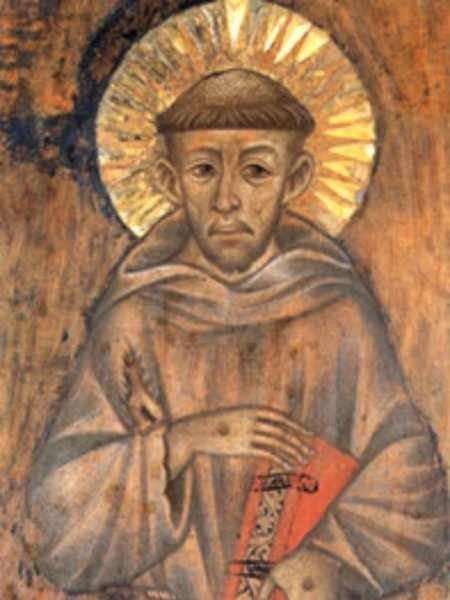
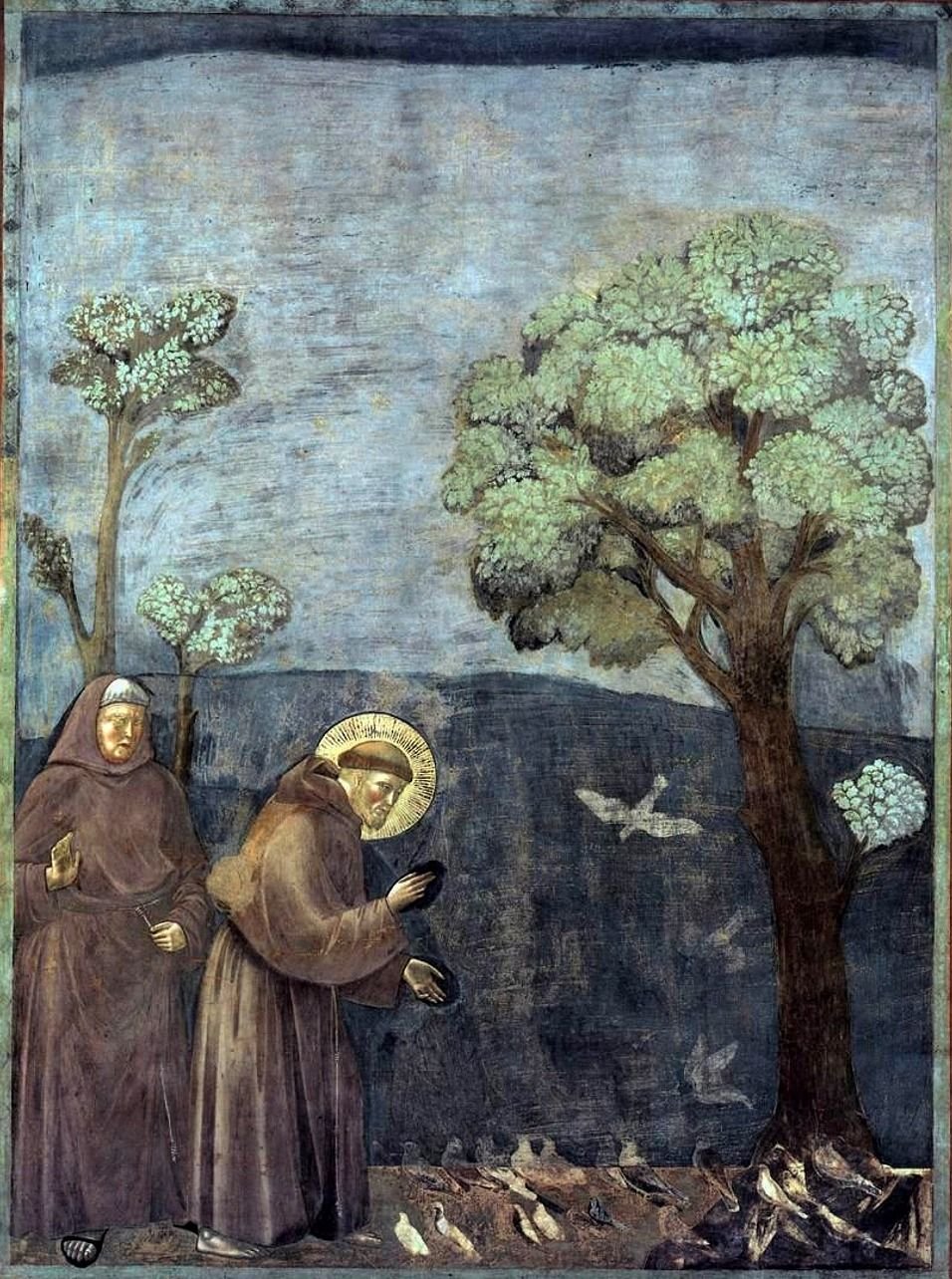
St Francis of Assisi
The poor man of Assisi.
Francis was born in Assisi around 1182, the son of a cloth merchant. As a young man he gave up his inheritance to follow Christ in poverty, caring for lepers and rebuilding ruined churches. Others soon joined him, and in 1209 Pope Innocent III approved their simple Gospel way of life: the beginning of the Friars Minor.
With St Clare he began the Poor Clares, and for lay people the fraternity now known as the Secular Franciscans. He made the first Christmas crib at Greccio in 1223, received the stigmata at La Verna in 1224, and near the end of his life wrote the Canticle of the Creatures.
He died at the Porziuncola, the little church below Assisi that he loved most, and was declared a saint two years later, in 1228.
The Transitus
His passing, eight hundred years on.
Franciscans call the evening of his death the Transitus: his passing over from this life to God. Knowing he was dying, Francis asked to be laid on the bare ground, welcomed “Sister Death”, and died at nightfall among his brothers.
Every year on the evening of 3 October, Franciscan communities keep the Transitus with prayer. This year it falls on a Saturday and marks exactly 800 years, and the Feast of St Francis follows on Sunday 4 October.
Transitus and feast times in the BLEST app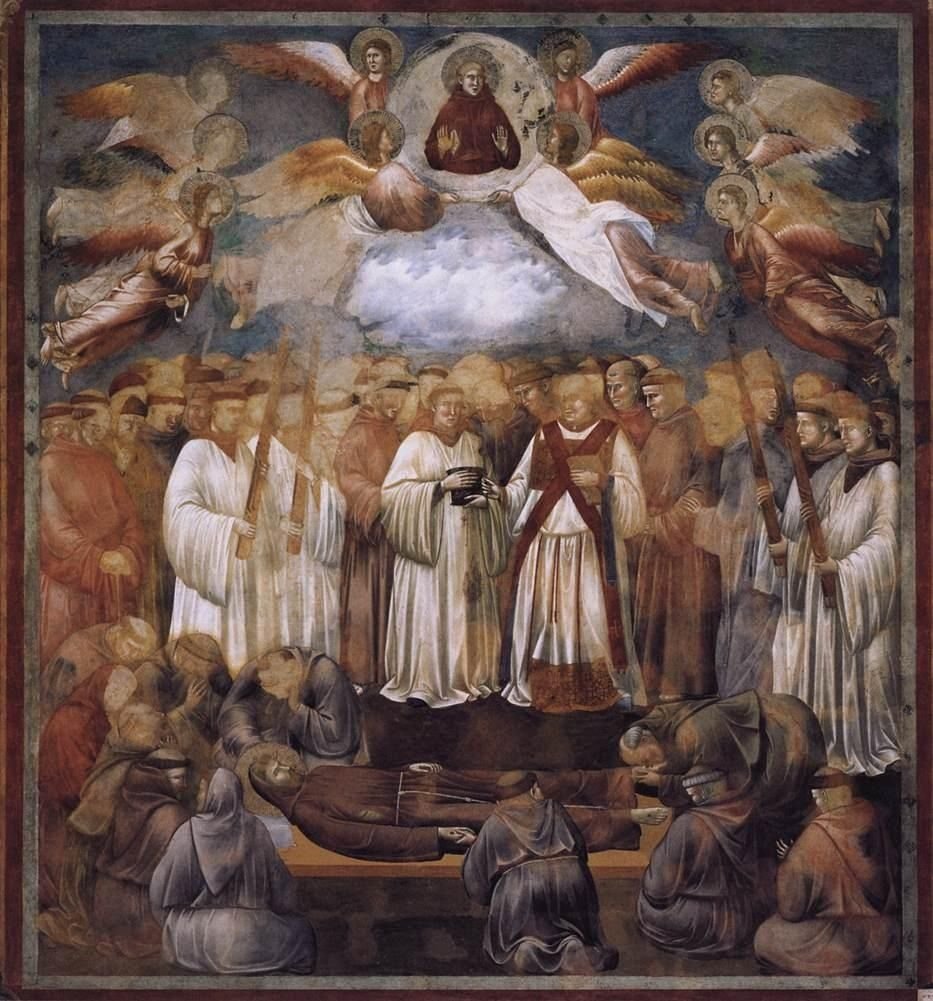
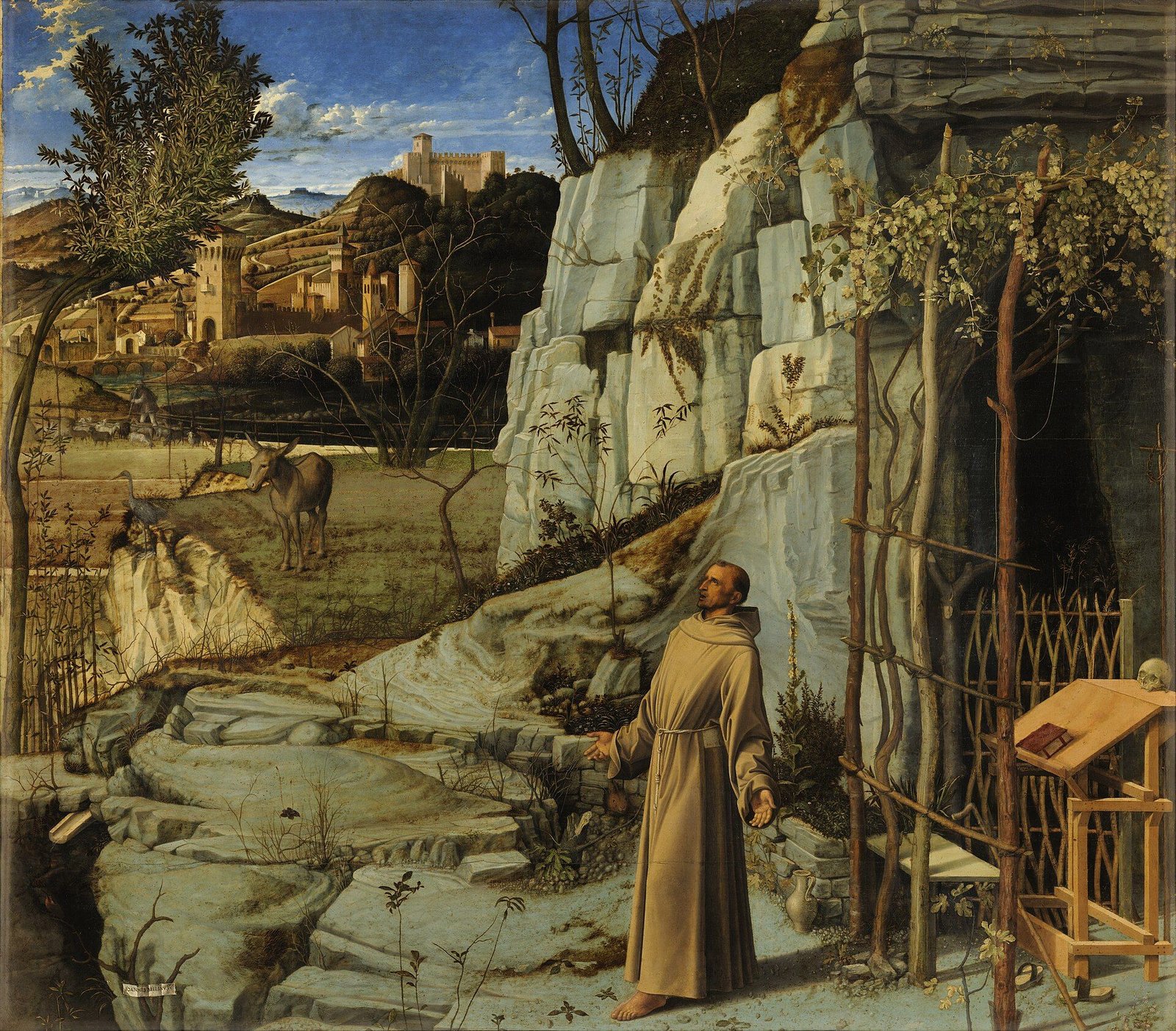
The Canticle of the Creatures
He greeted death with a song.
In the spring of 1225, a year and a half before he died, Francis lay ill at San Damiano, the little church he had once rebuilt with his own hands, where St Clare and her sisters now lived. He was almost blind, and in pain by day and by night. After one hard night he told his brothers he wanted to make a new song of praise, and he made it not in Latin but in the everyday speech of Umbria, so that anyone could sing it. It is among the very first poems in Italian.
Francis does not praise nature for its own sake. He praises God, with and through everything God has made, and he calls each creature family: Brother Sun, Sister Moon, Brother Wind, Sister Water, Brother Fire, and our Sister, Mother Earth.
- First At San Damiano, in the spring of 1225, he praises God through sun, moon and stars, wind and water, fire and earth.
- Then The bishop and the mayor of Assisi fell out bitterly. Francis added a verse on those who forgive, and sent his brothers to sing it before them both. They made their peace.
- Last Told by his doctor that he was dying, he added a welcome to our Sister, Bodily Death, and had the brothers sing him the whole song in his last days.
Pope Francis took its opening words, Laudato si’, as the name of his 2015 letter on the care of our common home.
Laudato si’, mi’ Signore
The Canticle of the Creatures
Most High, almighty, good Lord,all praise is Yours, all glory, all honour and every blessing.To You alone, Most High, are they due,and no one is worthy to speak Your name.
Praised be You, my Lord, with all Your creatures, above all my lord Brother Sun,who is the day, and by him You give us light.He is beautiful, and radiant in his great splendour;of You, Most High, he bears the likeness.
Praised be You, my Lord, through Sister Moon and the stars: in heaven You made them, bright and precious and fair.
Praised be You, my Lord, through Brother Wind, through air and cloud, clear skies and every weather,by which You give Your creatures sustenance.
Praised be You, my Lord, through Sister Water, so useful and humble, so precious and pure.
Praised be You, my Lord, through Brother Fire, by whom You light up the night;he is beautiful and merry, sturdy and strong.
Praised be You, my Lord, through our Sister, Mother Earth, who sustains us and keeps us,and brings forth fruits of every kind, with coloured flowers and grass.
Praised be You, my Lord, through those who forgive for love of You, and bear sickness and trial.Blessed are they who bear them in peace,for by You, Most High, they shall be crowned.
Praised be You, my Lord, through our Sister, Bodily Death, from whom no one living can escape.Woe to those who die in mortal sin.Blessed are those she finds within Your most holy will,for the second death shall do them no harm.
Praise my Lord and bless Him, give Him thanks,and serve Him with great humility.
Special graces this year
Come to Our Lady of Fatima as a pilgrim.
For the Jubilee the Church grants a plenary indulgence to those who make a pilgrimage, until 10 January 2027, to a Franciscan church or any place of worship dedicated to St Francis or connected with him, anywhere in the world. Served by the Capuchin friars, our church is one of them.
-
Come as a pilgrim.
Visit the church and take part in a Jubilee celebration here, or spend a good while in quiet prayer.
-
Pray.
Say the Our Father and the Creed, and call on Our Lady, St Francis, St Clare and all the saints of the Franciscan family.
-
Receive Holy Communion.
At Mass, here or in your own parish.
-
Pray for the Holy Father’s intentions.
An Our Father and a Hail Mary are enough.
All with a heart detached from sin. If you are elderly, sick or unable to leave home, you can share in the Jubilee by joining in spirit and offering your prayers and sufferings to God. The indulgence may also be offered for the souls in Purgatory.
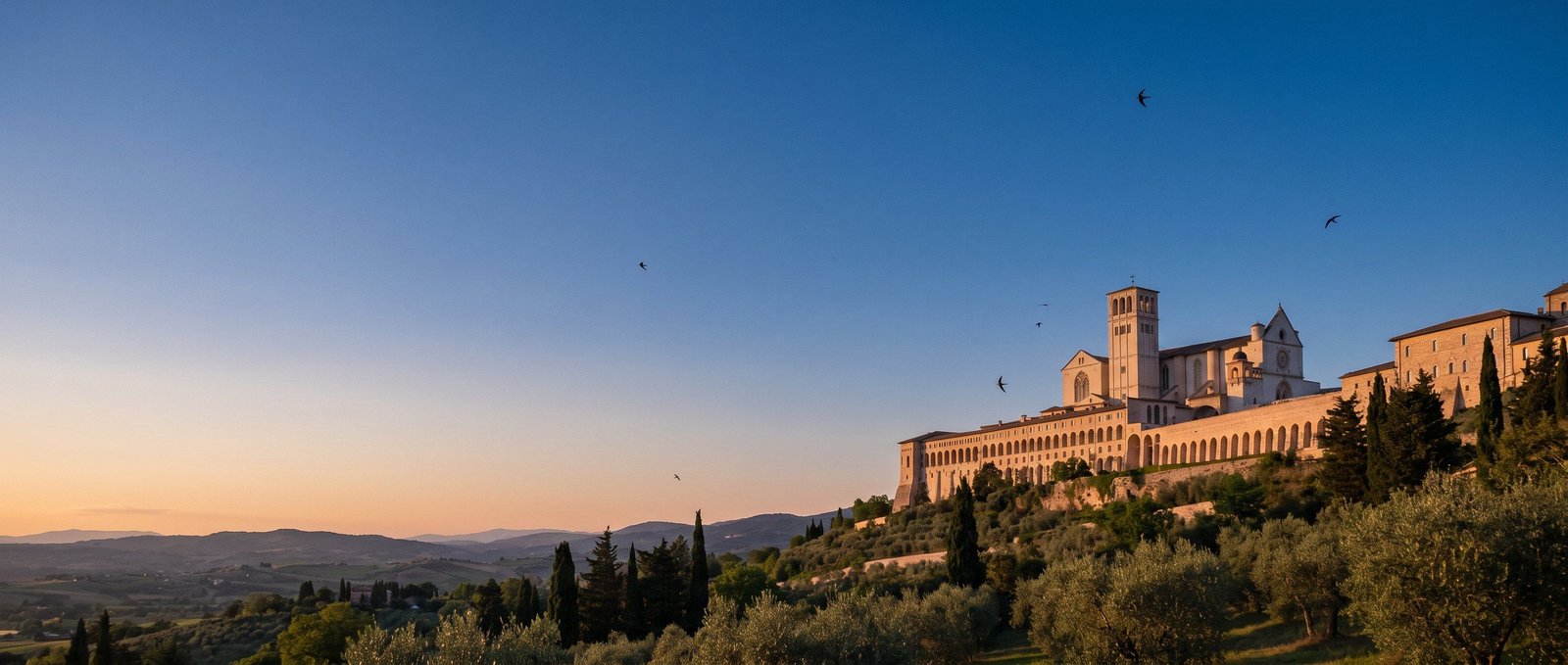
Basilica of St Francis of Assisi in Assisi
Canticle of the Creatures
Praised be You, my Lord, with all Your creatures.
St Francis, from his song of praise for Brother Sun and Sister Moon, 1225.